

The annual Podium Institute Conference on Sports Medicine and Technology has become a key fixture in the international calendar for researchers, clinicians, engineers, sports organisations and industry leaders. On 24th and 25th September 2026, the Podium Institute, led by Director Professor Constantin Coussios OBE FREng FMedSci, welcomed participants from around the world to the Life and Mind Building, University of Oxford, for two days of inspiring discussion, discovery and cross-disciplinary collaboration. United by a shared commitment to advancing sport safety through innovation, attendees explored how emerging science and technology can improve athlete health and performance across all levels of competition.
The conference programme explored four major themes: musculoskeletal health, brain health, cardiovascular health, and mental health, sleep and cognition. Internationally recognised speakers including Professors Ann McKee, Conor Walsh, William Taylor, Jason Kerrigan, Constantin Coussios, Sanjay Sharma, Anthony Kontos, Dr Emma O’Donnell, Dr Ryan Quarrington, Dr Karen Jones, Dr Charlotte Cowie and Dr Harald Jørstad joined researchers from Oxford and beyond to examine some of the most pressing challenges in sport today.
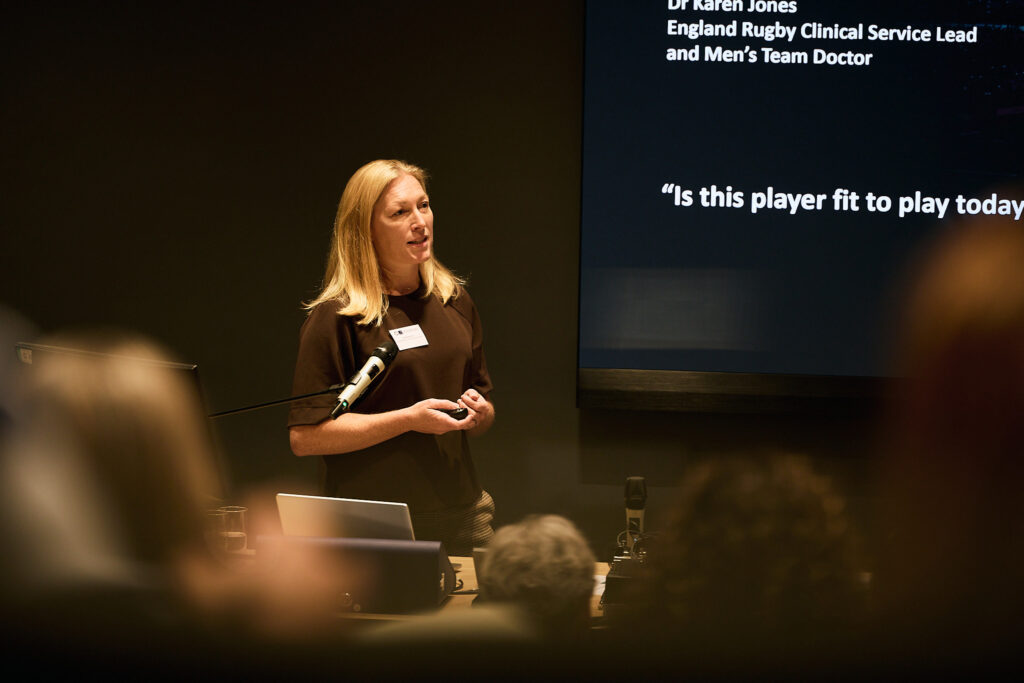
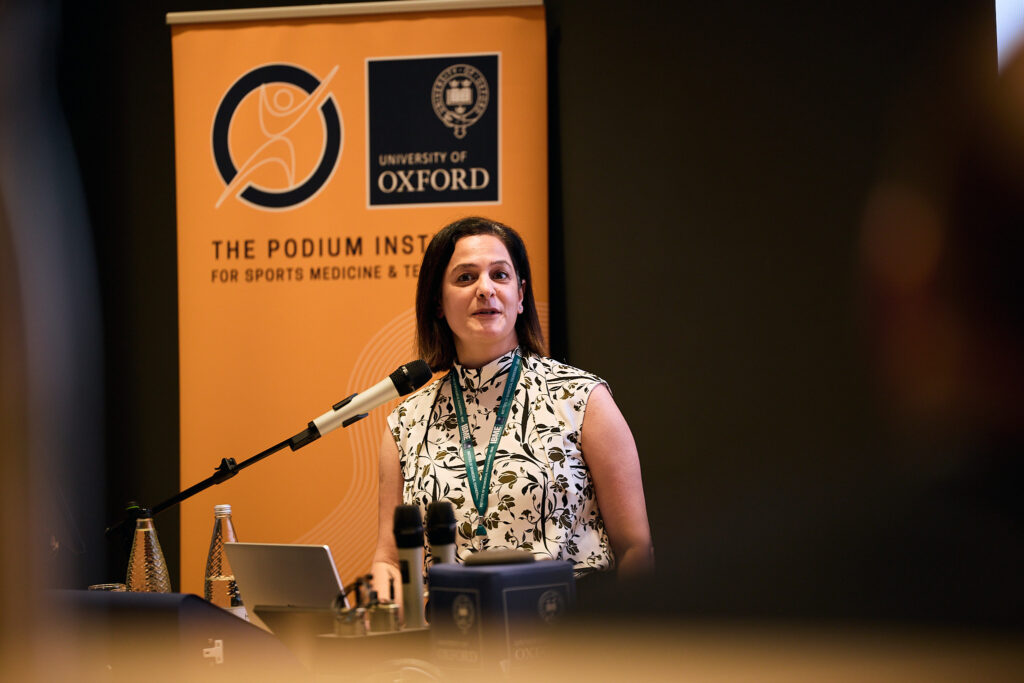
The conference opened with a plenary keynote from Rugby Football Union’s Dr Karen Jones, who reflected on her experience in elite rugby and discussed how sport is developing a more integrated approach to athlete health and performance. Her presentation explored the growing role of data, technology and evidence-based decision-making in supporting player welfare while balancing the realities of elite competition.
“We have to make sure we look at the data we have on players and try and to make sense of it to make really good informed judgements for that player, not just for the now but for the future.” Dr Karen Jones – Rugby Football Union, UK

Research, innovation and the future of athlete health
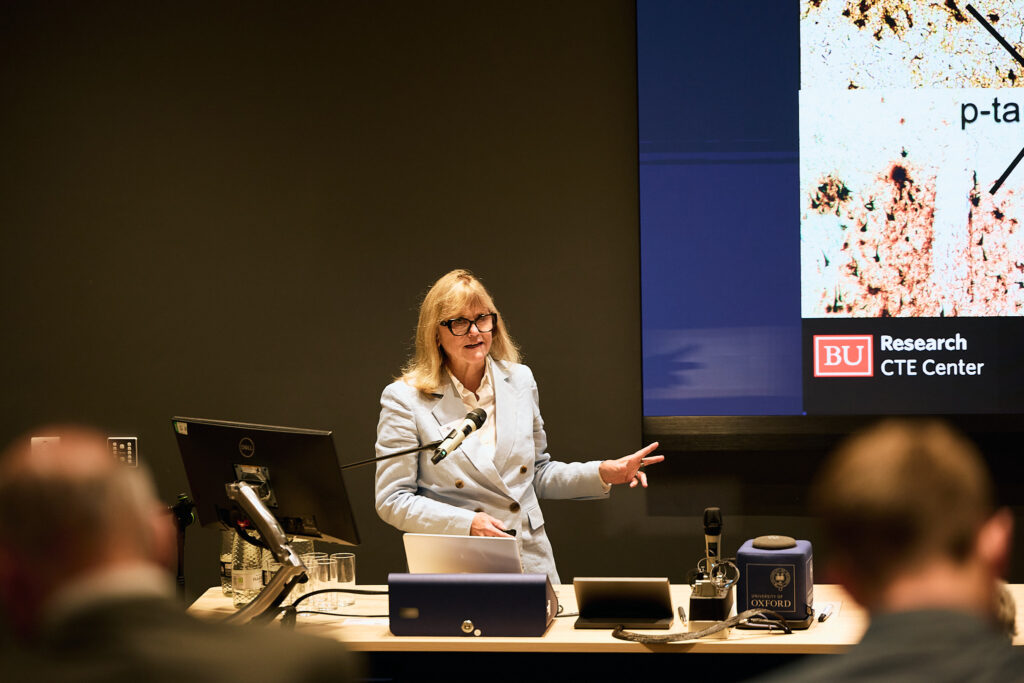
One of the strongest threads running throughout the two days was brain health. Among the highlights was a keynote presentation from Professor Ann McKee, whose pioneering work on the long-term effects of repetitive head impacts provided a powerful reminder of the importance of protecting athletes at every stage of their sporting journeys. Her insights reinforced the urgent need for earlier detection, improved monitoring and a deeper understanding of how sports-related brain injuries can affect long-term health.
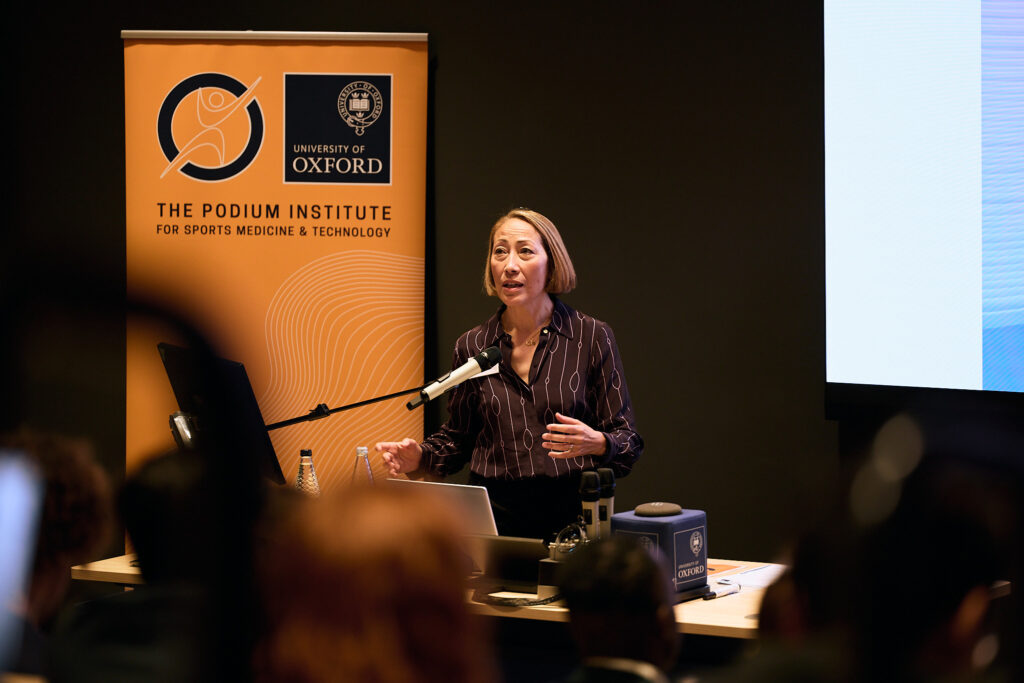
Building on this theme, Professor Constantin Coussios presented the Podium Institute’s Multimodal Concussion Research Programme – the world’s first fully independent multimodal investigation into concussion in rugby – combining advanced imaging, wearable technologies, biomarkers and physiological monitoring to create a more comprehensive understanding of athlete health. His talk demonstrated how expertise from medicine, engineering and data science can be combined to improve diagnosis, clinical decision-making and player welfare.
Innovation also featured prominently in discussions on musculoskeletal health and injury prevention. Presentations showcased technologies capable of measuring movement beyond the laboratory environment, including wearable sensing systems, advanced ultrasound imaging and motion-tracking garments. These advances demonstrated how engineering solutions could help identify injury risks earlier and support more effective rehabilitation for athletes at every level of participation.
Among the many highlights was the keynote presentation from Professor Conor Walsh of Harvard University’s internationally renowned exoskeleton laboratory. Attendees heard how soft wearable robotic devices are being developed to assist movement, reduce injury risk and support recovery following illness or injury. The presentation sparked considerable discussion and was frequently highlighted by participants as one of the standout moments of the event.
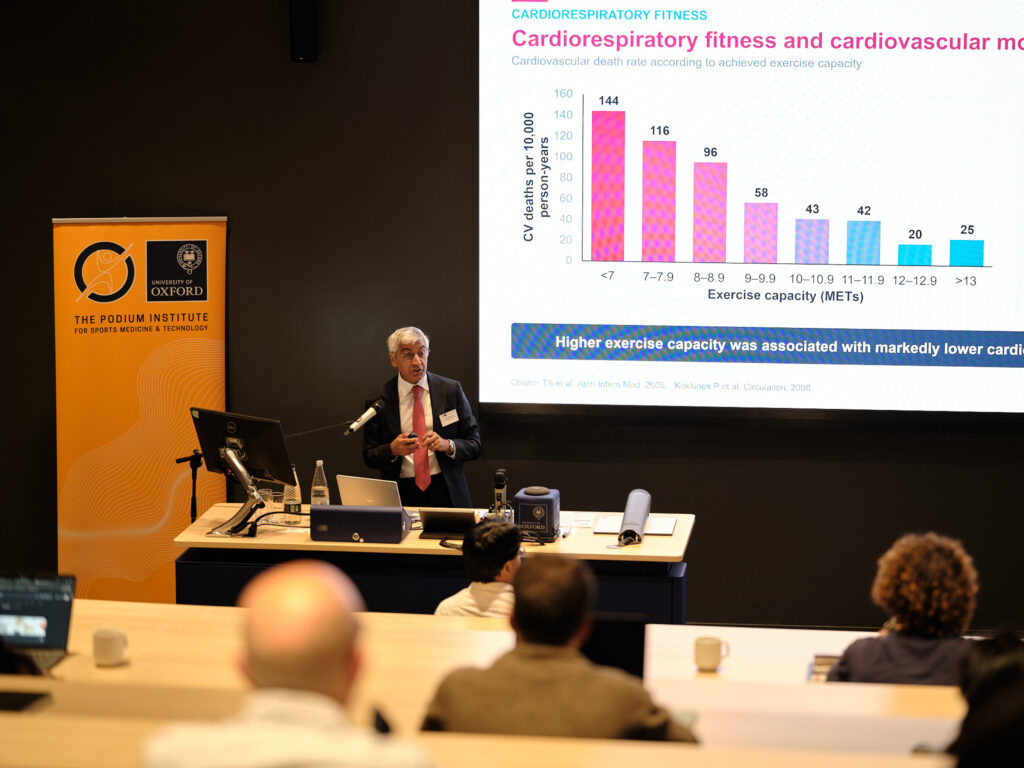
Several other presentations emerged as clear favourites among attendees. Professor Sanjay Sharma’s keynote, Preventive Sports Cardiology: From Screening to Shared Decision-Making in Athletes, provided valuable perspectives into cardiovascular risk assessment and athlete care. Equally well received was Professor Jason Kerrigan’s presentation, Retrospective Analysis to Predictive Decision Making: Applications of a Systems Approach to Injury Prevention in Elite American Football, which demonstrated how data-driven approaches can support injury prevention strategies. Together, these talks exemplified the conference’s focus on translating research into real-world impact.

Building connections, supporting emerging researchers and looking ahead
The conference dinner, held in the stunning surroundings of New College, provided a memorable evening for attendees to continue discussions beyond the lecture theatre. A special dinner guest, professional rugby player, Jack Singleton, shared his personal experiences of injury, recovery and managing a hereditary cardiac condition, offering an honest perspective on the challenges faced by elite athletes and the importance of long-term support and rehabilitation.
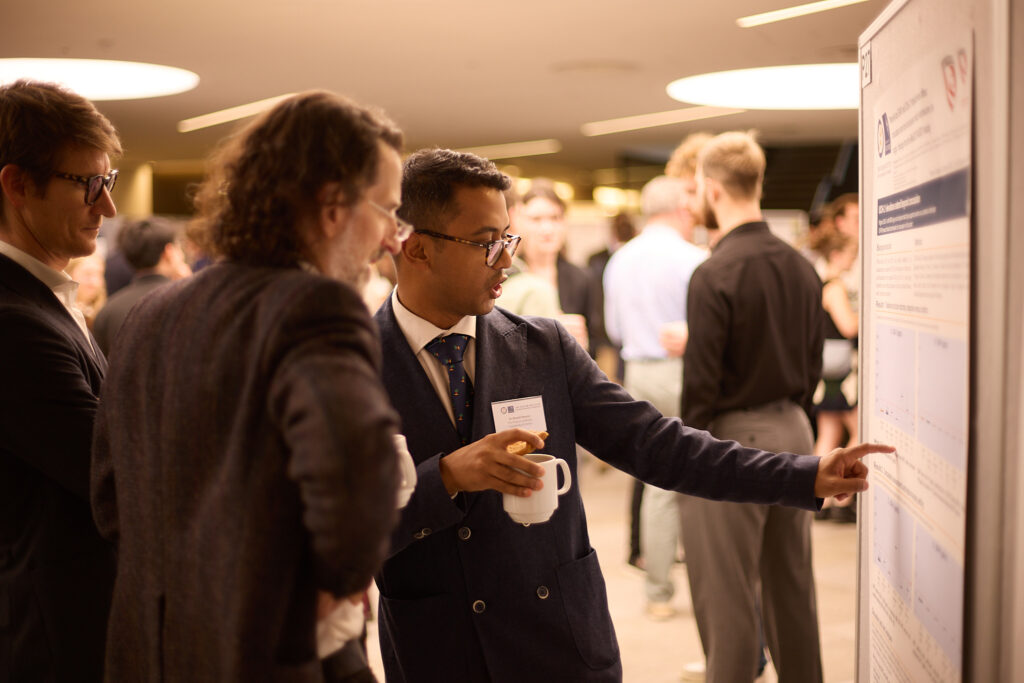
The conference also provided an important platform for young researchers and students to present their work, with almost 30 posters displayed across the two days. Topics ranged from wearable artificial intelligence and exoskeleton technologies to injury biomechanics, neuroimaging and sports performance monitoring. These sessions generated lively discussion and created valuable opportunities for collaboration across disciplines.
“This year’s conference was another great meeting. It was very inspiring to see the collective momentum of the diverse range of Podium student projects and to appreciate the impact their research will have on sports. I really enjoyed hearing from clinical experts and leaders in other research fields that have turned to sports to make it safer.” Professor Johannes Weickenmeier– The Podium Institute
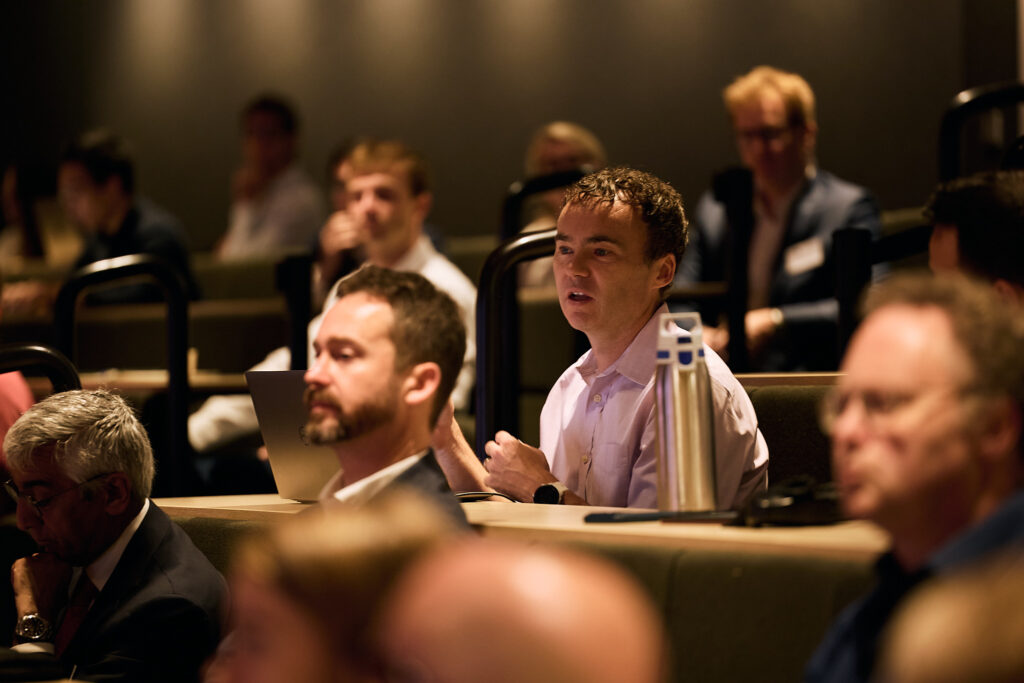
Indeed, networking emerged as one of the event’s defining successes. Conversations begun in lecture theatres continued throughout coffee breaks, poster sessions and the gala dinner. Delegates repeatedly highlighted the opportunity to connect with experts from different disciplines and sectors, forming new relationships and uncovering opportunities for future collaboration.
We hope the conference has given attendees and collaborators a deeper understanding the work of the Podium Institute while reinforcing the importance of multidisciplinary approaches to tackling complex challenges in sport and health.
Sports injury remains a significant challenge, and the Podium Institute and Podium Analytics continue to work towards safer sport and better outcomes for athletes at every level. The final whistle may have blown on this year’s conference, but the conversations, collaborations and ideas sparked in Oxford are only just getting started as we continue to work together towards a healthier and safer future for sport.
Photography: Andrew Bailey