

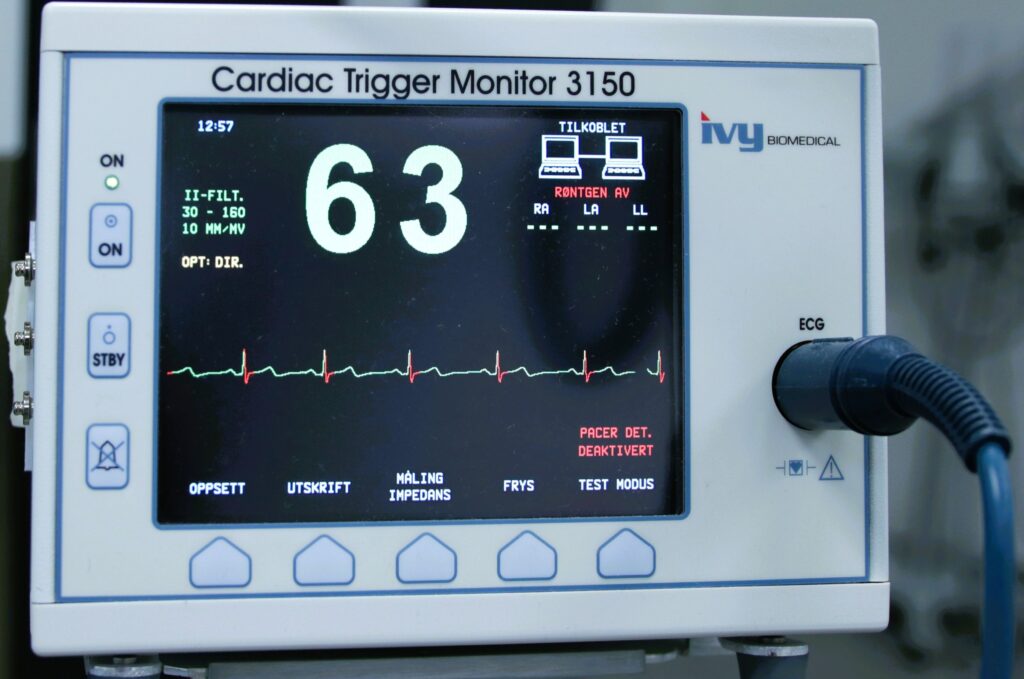
Cardiovascular disease remains the leading cause of death worldwide, while sudden cardiac death accounts for around half of all cardiac-related deaths. Although ECGs are a powerful diagnostic tool, interpreting them can be time-consuming and requires specialist expertise. Sudden cardiac death (SCD) is the leading medical cause of death in athletes, although fortunately it remains rare, occurring in approximately 1 in 40,000 to 1 in 80,000 athletes per year.[1]
Using an automated AI design approach known as Neural Architecture Search (NAS), the team discovered something unexpected: smaller, simpler AI models consistently matched or outperformed larger, more complex alternatives. Importantly, the simpler models continued to focus on clinically meaningful ECG features used by cardiologists when identifying arrhythmias, while avoiding some of the pitfalls of overly complex systems.
As first author Erik Vanegas Müller explains: “Neural Architecture Search (NAS) can identify efficient AI model structures without the need for trial and error. Most NAS methods have been developed for images. We showed that the approach can also be applied to physiological time-series signals such as electrocardiograms.
Model complexity should not be equated with better performance or better explainability. Our search consistently favoured simpler architectures, which is key for implementing AI algorithms in wearables for continuous cardiovascular monitoring.”
📖 You can read the paper published in the Public Library of Science (PLOS), here: https://journals.plos.org/plosone/article?id=10.1371/journal.pone.0362129
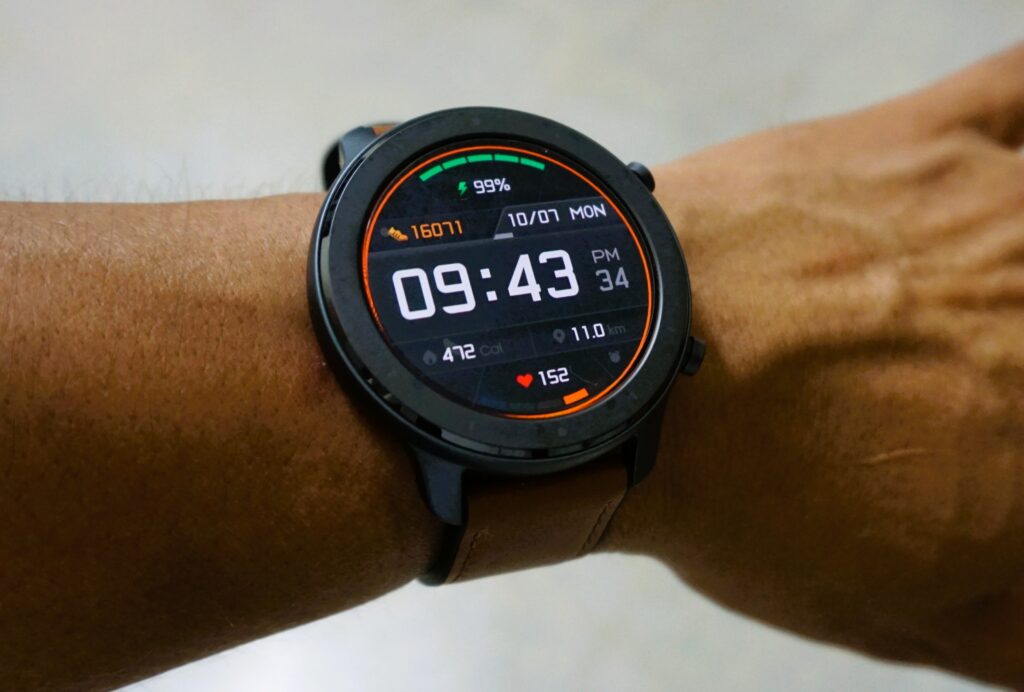
While this study focuses on ECG-based detection of cardiac abnormalities, its implications extend far beyond cardiology. The finding that smaller, more efficient AI models can outperform larger, more complex alternatives is highly relevant to sports medicine and rehabilitation, where wearable technologies increasingly generate continuous streams of physiological data. Whether monitoring heart health, tracking recovery from injury, assessing training load, or supporting rehabilitation programmes, lightweight AI could enable more practical, energy-efficient and accessible wearable systems that deliver clinically meaningful insights in real-world settings.
[1] Incidence of sudden cardiac death in athletes: a state-of-the-art review | British Journal of Sports Medicine